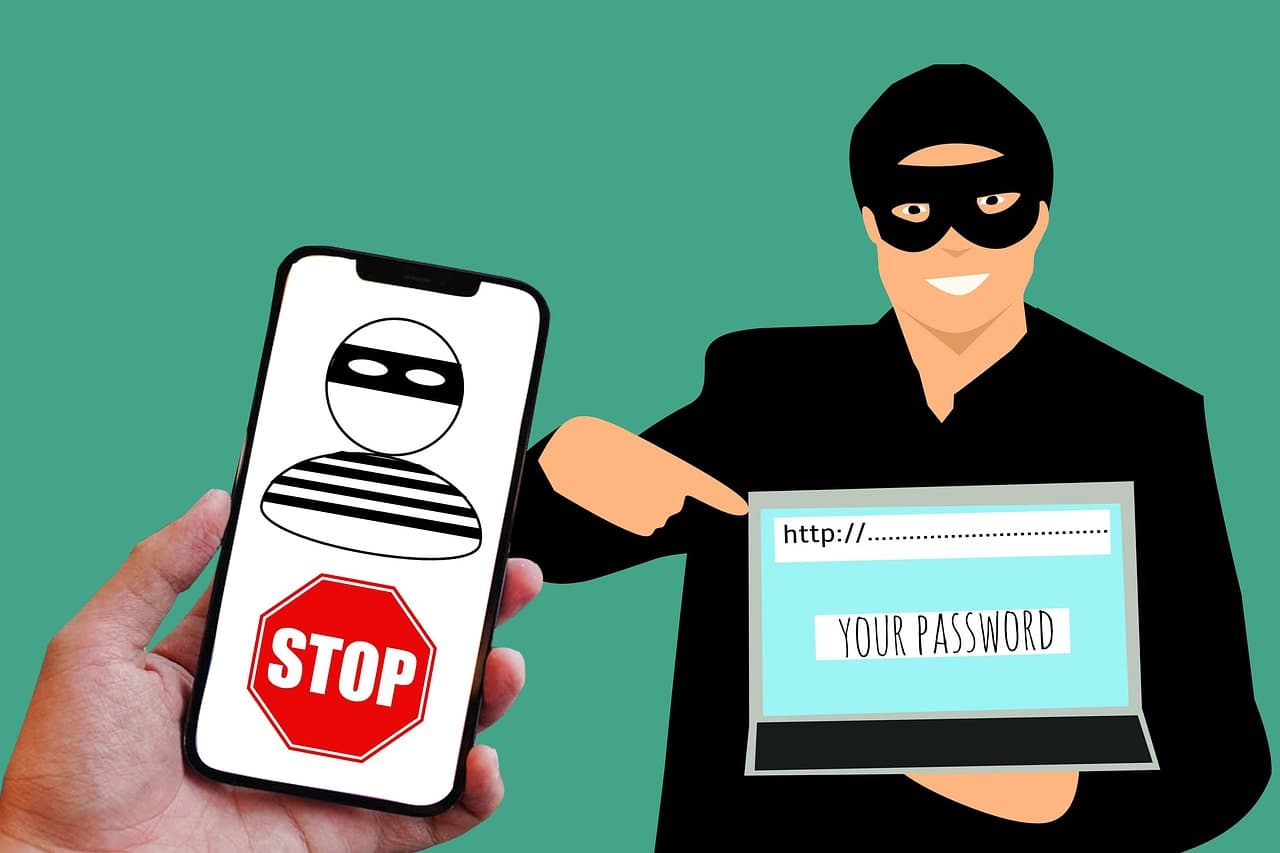
Phishing remains the #1 attack vector for businesses of all sizes. According to the FBI's IC3 report, business email compromise (BEC) alone caused over $2.9 billion in losses in 2023.
Effective training isn't about scaring employees; it's about building habits. Teach your team to verify sender addresses, hover over links before clicking, and question urgent requests for money or credentials.
Simulated phishing campaigns help, but only when paired with immediate feedback. When someone clicks a test link, show them exactly what they missed and how to spot it next time.
Create a no-blame reporting culture. If employees fear punishment, they won't report real incidents. Make it easy to flag suspicious emails and reward vigilance.
Key takeaways
- Training should build habits: verify senders, hover links, and question urgency.
- Use phishing simulations with immediate coaching and a no-blame culture.
- Make reporting suspicious email fast and easy.
- Pair training with MFA and endpoint protections for real risk reduction.
Recommended services
View all services
Cybersecurity Training
Empower your team to recognize and prevent cyber threats through engaging, practical training programs that build lasting security awareness.

Security Assessments
Comprehensive evaluation of your entire security posture with clear findings and actionable improvement roadmaps.

Managed IT Services
Continuous monitoring and proactive maintenance that prevents problems before they impact your operations.
Sources and References
- 2023 Internet Crime Report(FBI IC3)
- Phishing Activity Trends Report(Anti-Phishing Working Group)
- Security Awareness Training Guidelines(SANS Institute)
Want help with this?
We can review your current setup and recommend a clear, budget-friendly plan.
Schedule a Free Consultation